Cranberry Sauce, Bright and Glossy With Orange and a Cinnamon Whisper
In this article:
- Why This Cranberry Sauce Sets Without Any Added Pectin
- Bright, Tart and Just Sweet Enough
- The Thanksgiving Week Timeline: This Sauce Waits for You
- Choosing Berries: Fresh, Frozen and the Ones to Toss
- Ingredients for Cranberry Sauce
- How to Make Cranberry Sauce, Step by Step
- The Spoon Test and Other Signs It Is Done
- Orange, Spice and Maple: Variations Worth Trying
- Storage, Freezing and What to Do With Leftovers
- A Small Sauce With a Big Job on the Table
- FAQ
Why This Cranberry Sauce Sets Without Any Added Pectin
Cranberry sauce carries its own setting power, and this recipe is built to use it instead of fighting it. Cranberries are naturally rich in pectin, the same substance that firms up jam. When the berries simmer in sugar and acid, that pectin wakes up and turns a loose pan of fruit into a glossy sauce that holds a soft spoon shape.
The mistake most cooks make is stopping too early or pushing too far. Pulled off the heat before enough berries burst, the sauce stays thin no matter how long it chills. Simmered past its moment, it turns bitter and dull, and the bright color fades toward brick.
My method gives you a clear target instead of a guess: cook until about three quarters of the berries have popped. The burst berries release their pectin and build the body of the sauce. The whole berries that remain give it texture, little pockets of tartness that keep every bite interesting.
The pan will still look loose when you take it off the heat, and that unsettles people into cooking it longer. Resist. The set happens in the refrigerator, not on the stove, and a sauce that looks slightly too thin while hot lands exactly right once it is cold.
Bright, Tart and Just Sweet Enough
The first spoonful should wake up the table, not put it to sleep. Cranberry sauce exists to cut through the richest meal of the year, so its acidity is the whole point. This version keeps that edge sharp and clean, with sweetness standing behind it rather than sitting on top.
Two sugars do the balancing work. Granulated sugar keeps the flavor bright and neutral, while a quarter cup of brown sugar adds a quiet depth underneath, a hint of caramel that makes the sauce taste considered instead of merely sweetened. Neither one is allowed to win.
Orange works twice here, as juice and as zest. The juice replaces part of the water and rounds the berries with citrus sweetness, while the zest, added with the fruit, perfumes the whole pan. The cinnamon stick stays in the background, a warmth you notice without being able to name it.
Salt is the smallest ingredient and one of the most important. A quarter teaspoon does not make the sauce taste salty; it makes the cranberry taste more like itself, the way salt sharpens melon or tomatoes. Vanilla, stirred in off the heat, softens the finish.
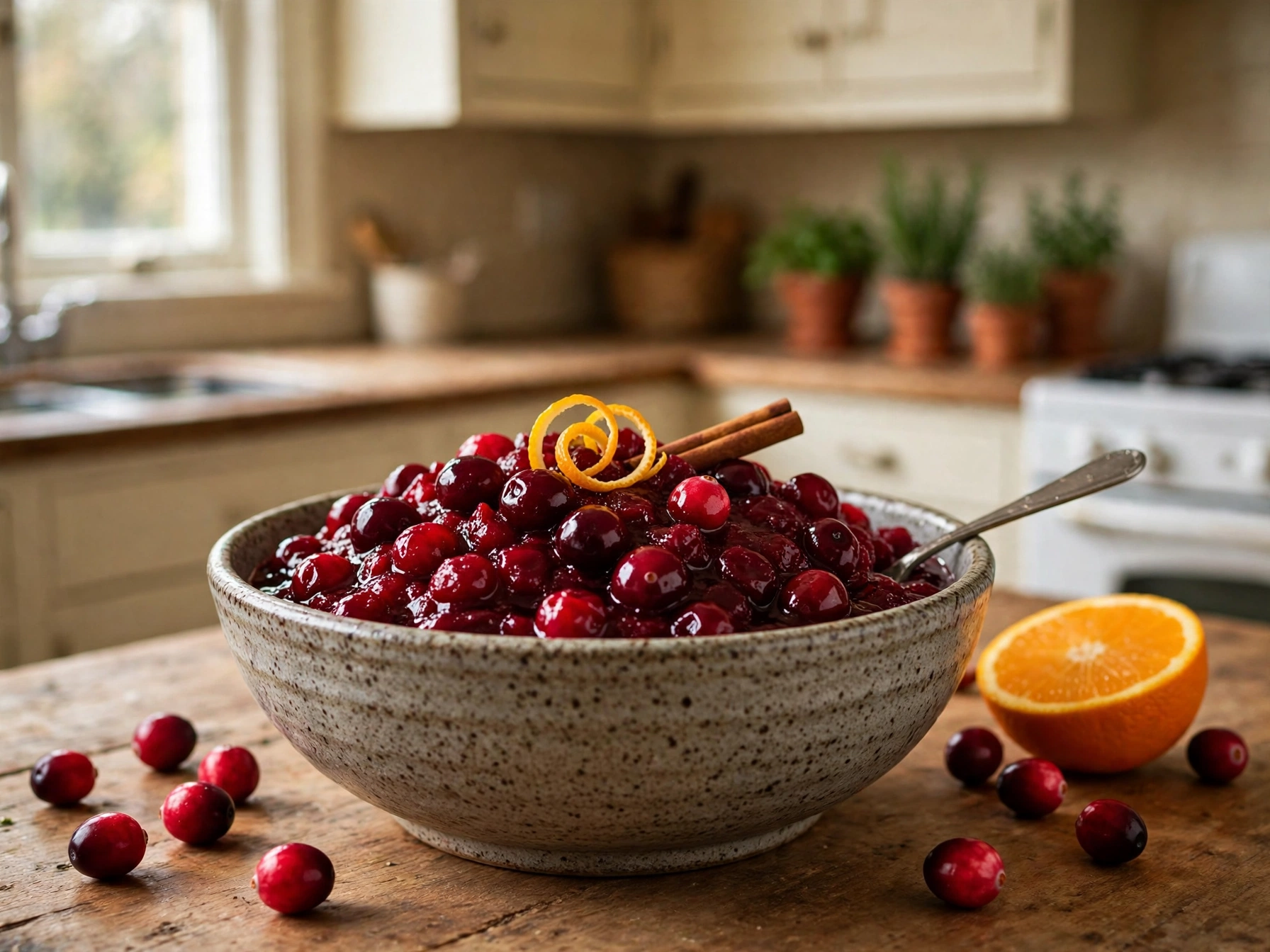
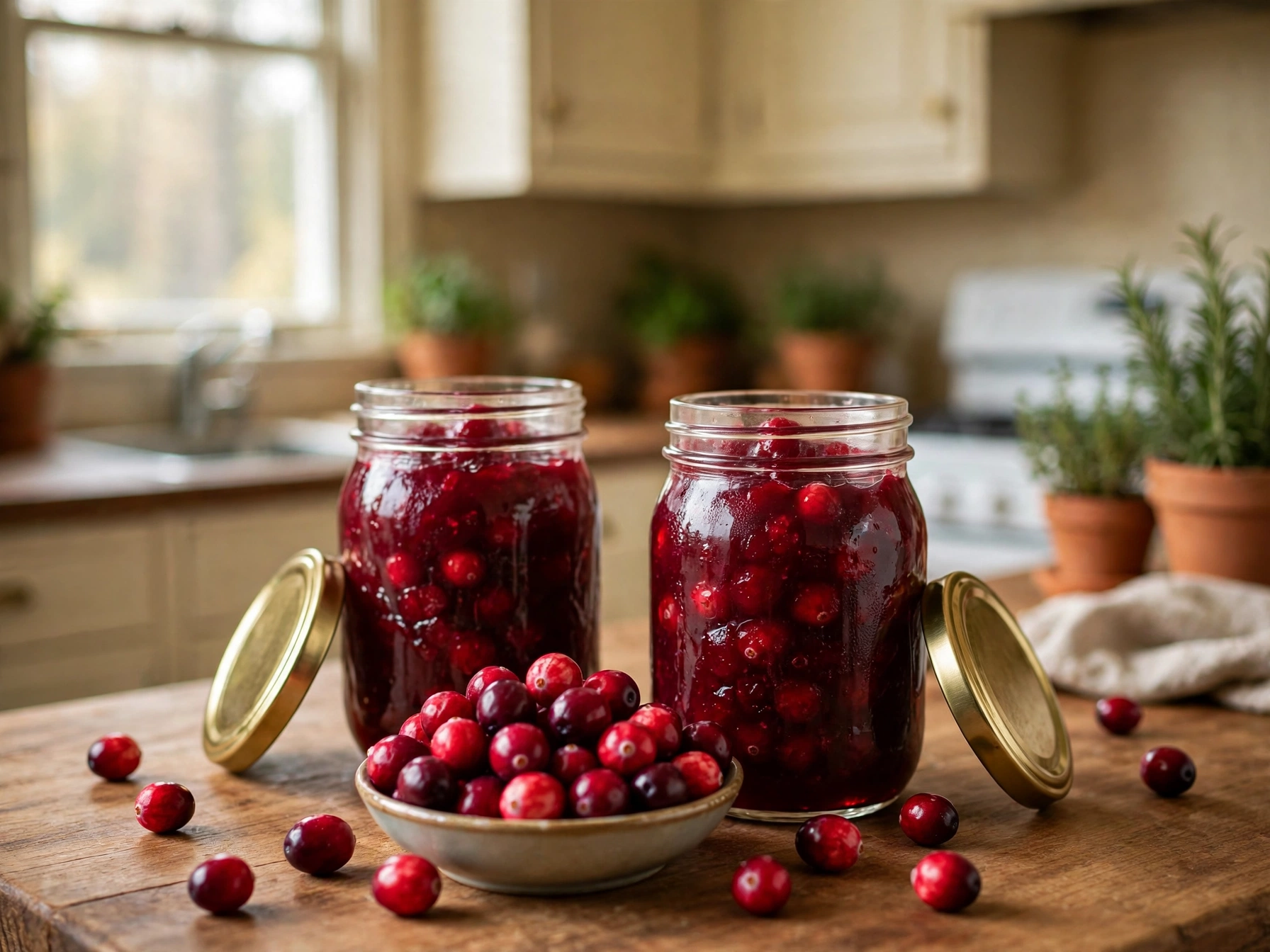
The color matters too, because this sauce is decoration as much as food. Cooked to the right moment, it stays a deep, clear ruby that catches the light in the bowl. That shine is your first sign the pan came off the heat on time.
The Thanksgiving Week Timeline: This Sauce Waits for You
Of everything on the Thanksgiving menu, cranberry sauce is the one dish that genuinely improves with a head start. The flavors marry in the refrigerator, the set firms up, and the sharpest edges soften. Making it on the day is not wrong, but it wastes the sauce’s greatest talent: patience.
Here is the schedule I follow. The weekend before Thanksgiving, I buy the berries and the oranges. On Sunday or Monday, I cook the sauce, jar it and forget about it. On Thursday, it comes out of the refrigerator an hour before dinner so it loses its hardest chill.
That timing buys you the scarcest thing in a holiday kitchen: a free burner. While the classic roast turkey rests and the gravy comes together, the sauce is already done, already set, already in its serving bowl. One less pan, one less decision, one less thing to babysit.
The sauce also travels beautifully if you are on side dish duty at someone else’s house. It goes in a sealed jar, rides in any corner of the car, and needs nothing at arrival beyond a spoon and a bowl. Few contributions arrive with less drama.
Choosing Berries: Fresh, Frozen and the Ones to Toss
Start with the bag itself. Fresh cranberries should be firm, glossy and deep red, and they should feel hard when you squeeze one between your fingers. A good berry even bounces slightly when dropped, an old harvest test that still tells the truth.
Pick over the whole bag before anything goes into the pan. Soft, shriveled or pale berries have already lost their structure, and they cook down into off flavors instead of clean tartness. This two minute sort is the cheapest insurance in the entire recipe.
Frozen cranberries are a completely fair choice, and for most of the year they are the better one. They are frozen at harvest, they need no thawing, and they go straight into the simmering liquid. Add a minute or two to the cooking time and change nothing else.
What you cannot use is dried cranberries. They are a different ingredient entirely, sweetened and chewy, with none of the juice or pectin the sauce depends on. If dried berries are all you have, this is a trip to the store, not a substitution.
Ingredients for Cranberry Sauce
- 12 ounces fresh or frozen cranberries, about 3 cups, picked over and rinsed
- 3/4 cup granulated sugar
- 1/4 cup packed light brown sugar
- 1/2 cup fresh orange juice, about 2 oranges
- 1/2 cup water
- 1 tablespoon finely grated orange zest
- 1 cinnamon stick, 3 inches
- 1/4 teaspoon fine sea salt
- 1/2 teaspoon vanilla extract
How to Make Cranberry Sauce, Step by Step
- Pick over the cranberries and discard any that are soft, shriveled or pale. Rinse the rest in a colander and drain well. If the berries are frozen, use them straight from the freezer with no thawing.
- Put the granulated sugar, brown sugar, orange juice and water in a medium saucepan. Set it over medium heat and stir for about 2 minutes, until both sugars have fully dissolved and the liquid is clear.
- Add the cranberries, orange zest, cinnamon stick and salt. Raise the heat to medium high and bring the mixture to a boil, listening for the first berries to pop.
- Lower the heat to a lively simmer and cook for 10 to 12 minutes, stirring occasionally, until about three quarters of the berries have burst and the sauce coats the back of a spoon. Leave the remaining berries whole for texture.
- Take the pan off the heat. Fish out the cinnamon stick and stir in the vanilla extract. The sauce will look loose; that is correct, because it sets as it cools.
- Pour the sauce into a serving bowl or glass jars. Cool at room temperature for 30 minutes, then cover and refrigerate for at least 2 hours, until glossy and softly set.
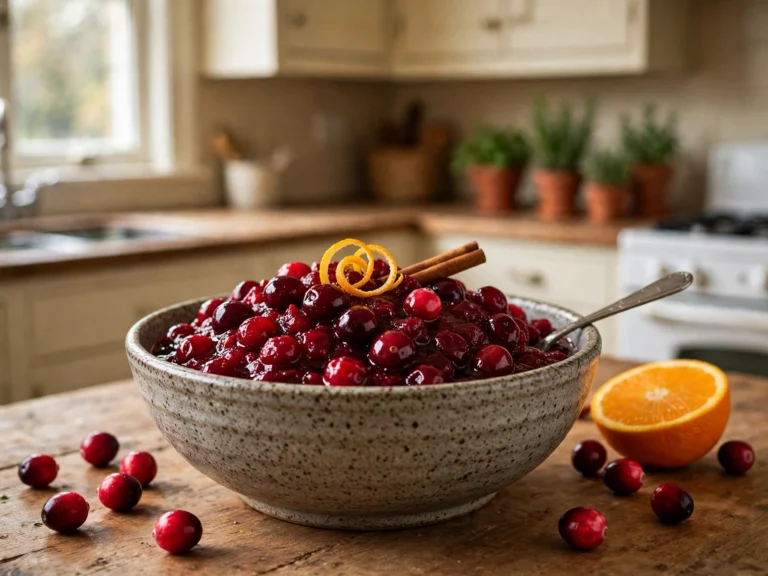
- Serve chilled or at room temperature, with a curl of orange zest on top if you like.
The Spoon Test and Other Signs It Is Done
The spoon test is the most reliable gauge you own. Dip a spoon into the simmering sauce, lift it out and run a finger across the back. If the line holds for a second before the sauce creeps back, the pectin has done its work and the pan can come off the heat.
Sound is the second signal. The first pops are isolated and polite; by the end, the pan sounds busy, a steady soft percussion as the last firm berries give way. When roughly three out of four berries have burst, you are at the moment, whatever the clock says.
Color tells the same story. A finished sauce is deep ruby and glossy, still vivid. If it starts sliding toward dull brick red and the shine flattens, you have gone a little far, and the flavor will follow with a bitter edge.
If you pull the pan early by accident, the fix is simple and does not require a redo. Return the sauce to a gentle simmer for 2 or 3 minutes, then chill it again. Pectin is patient; it will set on the second cooling just as well.
Orange, Spice and Maple: Variations Worth Trying
For a maple version, replace the brown sugar with a quarter cup of maple syrup and drop the water by a spoonful. The sauce turns a shade darker and picks up a woodsy sweetness that suits a menu built around roasted roots and brown butter.
A spiced version leans into December: keep the cinnamon stick and add two whole cloves and a strip of orange peel while the sauce simmers, removing everything before chilling. It is the same sauce wearing warmer clothes, and it carries straight into Christmas dinner.
For texture, fold in a half cup of finely chopped toasted walnuts or pecans after the sauce comes off the heat. The crunch against the soft berries is a small surprise that people remember, and it makes the sauce feel like a relish as much as a sauce.
Leftover sauce has a second career at breakfast. Swirled into the batter of our cranberry orange french toast casserole, spooned over yogurt, or shaken into a sandwich with leftover turkey, it earns its jar space long after the holiday ends.
Storage, Freezing and What to Do With Leftovers
In the refrigerator, this sauce keeps for up to 10 days in a sealed jar, which is exactly why the timeline above works. The acid and sugar that make it bright also make it one of the most forgiving dishes of the season.
It freezes just as well. Spoon it into a freezer container with a little headroom, or into ice cube trays for small portions, and freeze for up to 2 months. Thaw it overnight in the refrigerator and stir before serving; the texture comes back almost perfectly.
For cooked leftovers generally, I follow the USDA cold storage chart, which is the plain, reliable word on how long holiday food keeps safely in the refrigerator. When in doubt, that chart settles the argument.
The classic use for leftovers needs no recipe at all: a thick slice of cold sauce on a turkey sandwich, sharp against our cranberry fluff salad at the same table or layered under a slice of turkey gravy from drippings on an open faced plate. Thanksgiving, extended by a day, on your own terms.
A Small Sauce With a Big Job on the Table
Almost everything else at Thanksgiving is rich, brown and soft. The cranberry sauce is the one bright, sharp, jewel toned thing on the table, and it refreshes every plate it touches. A spoonful next to the turkey, another beside the stuffing, and the whole meal breathes easier.
It also flatters the rest of the menu without effort. The same acidity that cuts through turkey loves the glaze on our cranberry glazed chicken all winter long, which is a fine reason to make a double batch in November and freeze half for January.
Make it once with the two sugars, the three quarter pop and the patience to let it set in peace, and the canned ridges will never tempt you again. This is fifteen minutes of work that buys the brightest spoonful of the holiday.
FAQ
Why is my cranberry sauce still runny after chilling overnight?
It almost always means the pan came off the heat before enough berries burst, so the pectin never fully released. Scrape the sauce back into a pan, simmer it gently for 2 to 3 minutes until more berries pop, then chill it again. It will set on the second cooling.
Can I make cranberry sauce with frozen cranberries without thawing them?
Yes, and it is the easiest way. Add the frozen berries straight to the simmering liquid exactly as written and give them 1 to 2 extra minutes, since they start colder. There is no need to thaw them first, and thawed berries actually pop less cleanly.
My cranberry sauce tastes too tart. How do I fix it without ruining the set?
Stir in granulated sugar one tablespoon at a time while the sauce is warm, tasting after each addition, or fold in a spoonful of honey once it has cooled. Add the sweetener before the final chill whenever you can, because stirring a fully set sauce breaks its smooth texture.
How do I get a firm, sliceable jellied cranberry sauce instead of a spoonable one?
Cook the sauce 2 minutes longer, until nearly all the berries have burst, then press it through a fine mesh strainer while hot and pour it into a mold or a straight sided jar. Chill it overnight. More burst berries and no whole fruit means a firmer, cleaner set.
Can I reduce the sugar in this cranberry sauce?
You can drop the total sugar to about 3/4 cup before the tartness takes over, but do not go lower: sugar is part of the setting system, not just the flavor, and a very low sugar batch stays loose. If you reduce it, taste at the end and sharpen the orange zest rather than adding sweetener back.
Cranberry Sauce
Whole cranberries simmered with orange juice, zest and a cinnamon stick until three quarters of them pop, then sweetened in balance with granulated and brown sugar so the sauce sets glossy and spoonable with no added pectin. Made days before Thanksgiving, it frees a burner and cuts through everything rich on the table.
- Total Time: 2 hours 20 minutes
- Yield: About 2 1/2 cups 1x
Ingredients
- 12 ounces fresh or frozen cranberries, about 3 cups, picked over and rinsed
- 3/4 cup granulated sugar
- 1/4 cup packed light brown sugar
- 1/2 cup fresh orange juice, about 2 oranges
- 1/2 cup water
- 1 tablespoon finely grated orange zest
- 1 cinnamon stick, 3 inches
- 1/4 teaspoon fine sea salt
- 1/2 teaspoon vanilla extract
Instructions
- Pick over the cranberries and discard any that are soft, shriveled or pale. Rinse the rest in a colander and drain well. If the berries are frozen, use them straight from the freezer with no thawing.
- Put the granulated sugar, brown sugar, orange juice and water in a medium saucepan. Set it over medium heat and stir for about 2 minutes, until both sugars have fully dissolved and the liquid is clear.
- Add the cranberries, orange zest, cinnamon stick and salt. Raise the heat to medium high and bring the mixture to a boil, listening for the first berries to pop.
- Lower the heat to a lively simmer and cook for 10 to 12 minutes, stirring occasionally, until about three quarters of the berries have burst and the sauce coats the back of a spoon. Leave the remaining berries whole for texture.
- Take the pan off the heat. Fish out the cinnamon stick and stir in the vanilla extract. The sauce will look loose; that is correct, because it sets as it cools.
- Pour the sauce into a serving bowl or glass jars. Cool at room temperature for 30 minutes, then cover and refrigerate for at least 2 hours, until glossy and softly set.
- Serve chilled or at room temperature, with a curl of orange zest on top if you like.
- Prep Time: 5 minutes
- Cook Time: 12 minutes
Nutrition
- Serving Size: 1
- Calories: 90
- Sugar: 20
- Sodium: 60
- Fat: 0
- Saturated Fat: 0
- Unsaturated Fat: 0
- Trans Fat: 0
- Carbohydrates: 23
- Fiber: 2
- Protein: 0
- Cholesterol: 0