In this article:
Why This Recipe Works
This homemade cranberry sauce works because it respects what cranberries already are: a fruit loaded with natural pectin, bright acid, and deep color. The recipe does not fight any of that. It gives the berries just enough sugar to balance their tartness, a short twelve-minute simmer, and then gets out of the way while the pectin sets the sauce as it cools.
The liquid is split deliberately between orange juice and water. Straight water makes a clean but one-note sauce, while all juice can turn it candy-sweet and dull the cranberry edge.
Half and half lands in the middle: the orange lifts the fruit and echoes the zest, and the water keeps the cranberry flavor in front where it belongs. A pinch of salt does quiet work too, rounding the acidity so the sauce tastes bright instead of sharp.
The finish is the step most recipes skip, and it matters more than any spice. Off the heat, a teaspoon of vanilla and a small knob of butter melt into the hot sauce, softening the raw edge of the berries and adding a silky sheen.
It takes thirty seconds, costs almost nothing, and it is the difference between a sauce people politely spoon over turkey and one they ask about.
Make it once and the canned cylinder will never look appealing again. The color alone, a deep glossy ruby, sells the whole Thanksgiving table. Serve it next to our maple glazed roast turkey breast and you have the two centerpieces of the plate handled days before the holiday.
Taste and Texture Profile
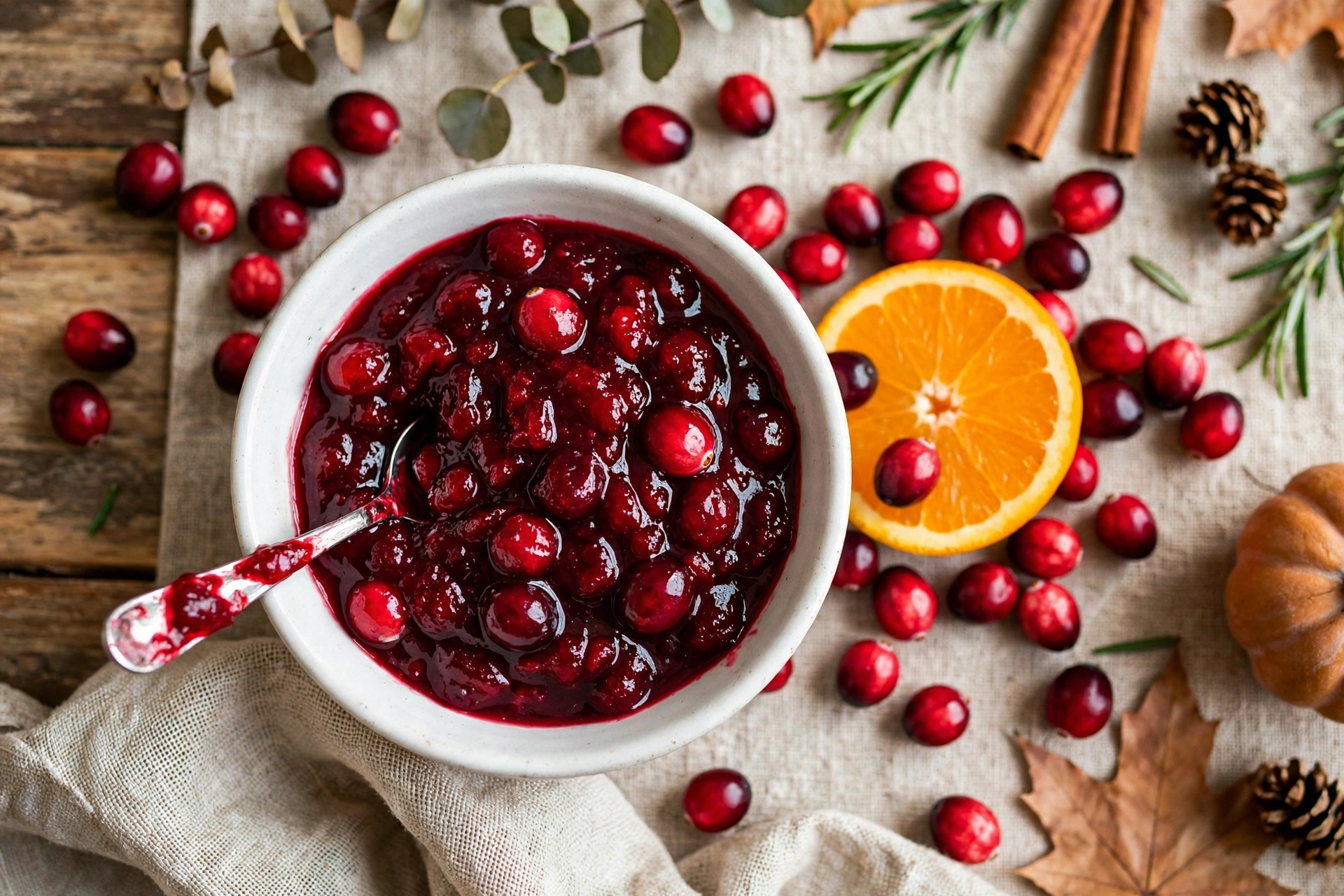
The flavor is tart first, sweet second, and warm at the finish. Cranberries bring a clean, mouthwatering acidity that cuts straight through rich turkey, buttery sides, and gravy, which is exactly the job of this sauce on a heavy plate. The orange sits underneath as brightness rather than a distinct flavor, and the cinnamon whispers instead of announcing itself.
Texture is where you get to choose your own ending. Leave the berries mostly whole for a rustic, bursting-berry sauce with real presence on the spoon. Mash them halfway for the classic middle ground most families expect. Or blend briefly for a smooth, jewel-toned sauce that slices almost like the canned version, only fresher and far more alive.
Whatever level you pick, the sauce should look glossy and loose when it leaves the heat, almost like a thick syrup. Homemade cranberry sauce sets as it cools, thanks to the natural pectin in the fruit, and judging it hot is the most common beginner mistake. Trust the cooling, and the texture lands exactly where you aimed it.
One more texture note for the smooth-sauce loyalists in the family: blending gives you elegance, but blending plus a quick pass through a fine strainer gives you the true canned-style gel, seeds and skins removed. It takes four extra minutes and settles the oldest argument at the Thanksgiving table, because everyone gets the texture they grew up with, only fresher.
Quick and Easy Preparation
Few Thanksgiving recipes ask so little of you. Five minutes of prep, twelve minutes at the stove, one saucepan to wash. There is no chopping beyond zesting an orange, no special equipment, and no timing choreography with the oven schedule, because the sauce never goes near the oven at all.
Better still, it actively prefers to be made ahead. The flavors meld and mellow over two to three days in the fridge, so the sauce you make on Tuesday is genuinely better than the one you would rush on Thursday. On a holiday when the oven and the cook are both overscheduled, a side dish that improves while it waits is pure gold.
It is also nearly impossible to ruin. There is no emulsion to break, no roux to scorch, and no delicate timing at the end. If the sauce simmers a few minutes long, it simply sets a little firmer; if it comes off early, it stays pourable and bright. Forgiving recipes earn their holiday place, and this one forgives almost everything.
Lighter and Diet Adaptations
For a lower-sugar sauce, reduce the total sugar to three quarters of a cup and lean on the orange juice for perceived sweetness. The sauce will taste tarter and more assertive, which many people prefer next to rich food anyway. Taste it warm and adjust carefully: it sweetens slightly in perception as it chills and the flavors settle.
For a naturally sweetened version, replace both sugars with two thirds of a cup of pure maple syrup and reduce the water to one quarter cup. The maple adds a warm, woodsy depth that suits Thanksgiving beautifully. Honey works the same way, with a softer floral note; use the same amount and the same water reduction.
The recipe is already gluten free and easy to keep vegan. Simply skip the finishing butter, or replace it with a teaspoon of coconut oil for a similar silky finish. The vanilla stays either way, and honestly, at one tablespoon across two cups of sauce, the butter is about sheen and rounding rather than richness.
Ingredients
Buy the standard twelve-ounce bag of fresh cranberries and check it before you leave the store: the berries should be firm, plump, and deeply colored. A few pale ones are fine, but discard any that are soft, shriveled, or leaking. Frozen cranberries work equally well here, straight from the freezer with no thawing, which makes this sauce a genuine year-round option.
- 12 oz (340 g) fresh cranberries, rinsed and picked over (about 3 cups)
- 3/4 cup (150 g) granulated sugar
- 1/4 cup (55 g) packed light brown sugar
- 1/2 cup (120 ml) fresh orange juice
- 1/2 cup (120 ml) water
- 1 tablespoon finely grated orange zest
- 1/2 teaspoon ground cinnamon
- 1/4 teaspoon fine salt
- 1 teaspoon pure vanilla extract
- 1 tablespoon unsalted butter (optional, for finishing)
The two sugars are not fussiness for its own sake. Granulated sugar keeps the flavor clean and the color bright, while the smaller amount of brown sugar adds a gentle caramel depth that makes the sauce taste considered rather than simply sweetened. If you only have one kind on hand, use a full cup of granulated and carry on without worry.
Step by Step Instructions
The whole process happens in one saucepan over about twelve minutes, and the berries narrate it for you: first they float and shine, then they start to pop like tiny fireworks, then the sauce turns glossy and deep red. Stir occasionally, keep the simmer lively but not violent, and watch the spoon rather than the clock.
- Rinse the cranberries in a colander under cool water. Pick through them and discard any that are soft, shriveled, or discolored, along with any stems. A few slightly pale berries are perfectly fine.
- In a medium saucepan, combine the granulated sugar, brown sugar, orange juice, water, orange zest, cinnamon, and salt. Set the pan over medium-high heat.
- Bring the mixture to a boil, stirring now and then, until the sugars dissolve completely and the liquid is clear and syrupy, about 2 minutes. This syrup-first method seasons every berry evenly.
- Add all the cranberries at once and return the pan to a boil. You will start hearing soft pops within a minute or two as the skins split; that sound means the pectin is being released.
- Reduce the heat to medium-low and simmer, uncovered, for 10 to 12 minutes, stirring occasionally. Most berries should be burst and the sauce should look glossy and deep red, thick enough to lightly coat the back of a spoon.
- Choose your texture now. Leave the berries as they are for a whole-berry sauce, mash gently with a potato masher for a rustic sauce, or blend briefly with an immersion blender for a smooth one.
- Remove the pan from the heat the moment the sauce coats a spoon. It will still look looser than you want; that is correct. Cranberry pectin sets firmly as the sauce cools, and overcooking is what turns sauce into jam.
- Stir in the vanilla extract and the butter, if using, until the butter melts completely. Taste and adjust: a spoonful of sugar if it bites too hard, a pinch more salt if it tastes flat.
- Let the sauce cool in the pan for 20 to 30 minutes, stirring once or twice. Watch it thicken as it cools; it should mound softly on a spoon and hold gentle swirls on the surface.
- Transfer to a serving bowl or storage container, cover, and refrigerate for at least 1 hour before serving. The sauce reaches its best flavor after 2 to 3 days, so make it early with confidence.
If your sauce somehow ends up too thick after chilling, stir in a tablespoon of orange juice or water at a time until it relaxes. Too thin is rarer and usually means it was pulled early; return it to a gentle simmer for 2 to 3 minutes and cool it again. Both fixes are forgiving, which is part of this recipe’s charm.
Pro Tips for Perfect Results
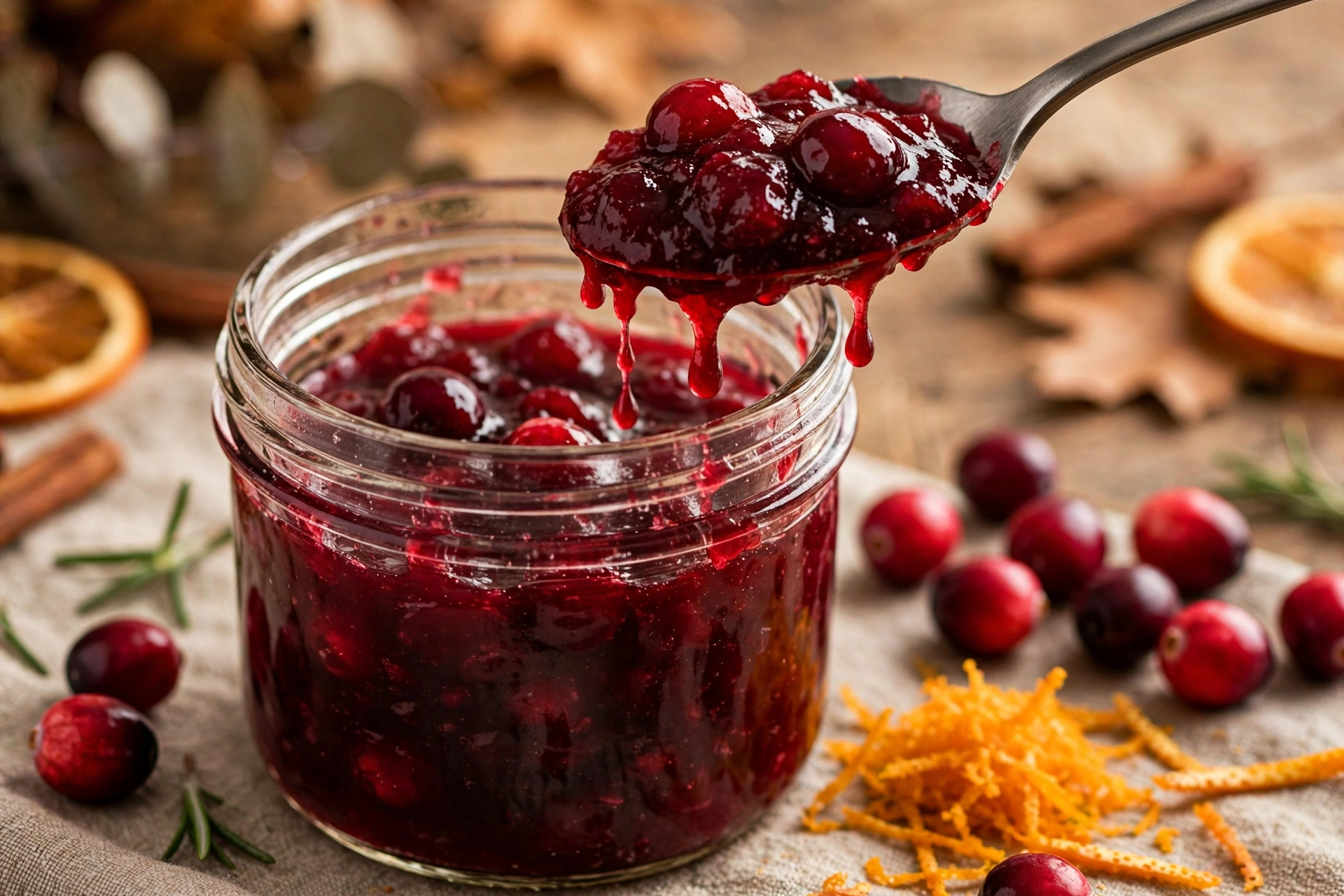
Pull the sauce off the heat earlier than feels right. The number one failure with cranberry sauce is cooking it until it looks thick in the pan, which guarantees a stiff, jammy brick after chilling. Hot cranberry sauce should look almost too loose, glossy, and pourable. The pectin finishes the job in the fridge, every single time.
Use a pan that is bigger than you think you need. Cranberries foam enthusiastically as they pop, and the sugary liquid can climb the sides of a small pot in seconds. A medium saucepan with high sides keeps the drama in the pot and off your stovetop, and it gives you room to mash without splashing ruby juice everywhere.
Serve the sauce at cool room temperature, not fridge-cold. Set the bowl out about thirty minutes before the meal so the chill comes off and the flavors open up. Ice-cold sauce tastes muted and one-note; slightly cool sauce tastes bright, fruity, and layered, the way it did when you seasoned it at the stove.
Season twice, once hot and once cold. Cold dulls both sweetness and salt, so a sauce that tasted perfect from the pan can taste slightly flat from the fridge.
Taste a chilled spoonful the day you plan to serve it, and correct with a pinch of salt or a teaspoon of sugar stirred through. It pairs naturally with our green bean casserole on the same plate.
Easy Swaps and Tasty Variations
For a spiced holiday version, simmer the sauce with a whole cinnamon stick and two whole cloves instead of ground cinnamon, then fish them out before chilling. Add a small pinch of ground ginger for warmth that leans toward Christmas. The whole spices keep the sauce brilliantly clear and ruby-toned, since ground spices can cloud it slightly.
For an apple cranberry sauce, stir in one peeled, finely diced apple with the cranberries. The apple softens into the sauce, adds body and natural sweetness, and lets you trim the sugar by a quarter cup if you like things tart. A pear works the same way with a softer, more floral character.
Leftover sauce is an ingredient, not an afterthought. Swirl it through plain yogurt or oatmeal, spread it on turkey sandwiches, warm it into a glaze for meatballs, or bake it into our cranberry orange bundt cake batter as a ruby ribbon.
The version at JoyFoodSunshine leans on orange juice alone, which is a lovely brighter direction if your family likes it sweet.
How to Store and Make Ahead
This homemade cranberry sauce keeps in an airtight container in the refrigerator for up to 10 days, and its flavor peaks around day two or three as the orange, cinnamon, and berry settle into each other. For Thanksgiving planning, that means you can make it the weekend before and cross a side dish off your list with total confidence.
For longer storage, freeze the cooled sauce in a freezer container or zip-top bag for up to 3 months. Leave a little headspace, because the sauce expands slightly as it freezes. Thaw overnight in the refrigerator, then stir well; it may look slightly looser than before, which a spoonful of fresh orange juice and a good stir will fix.
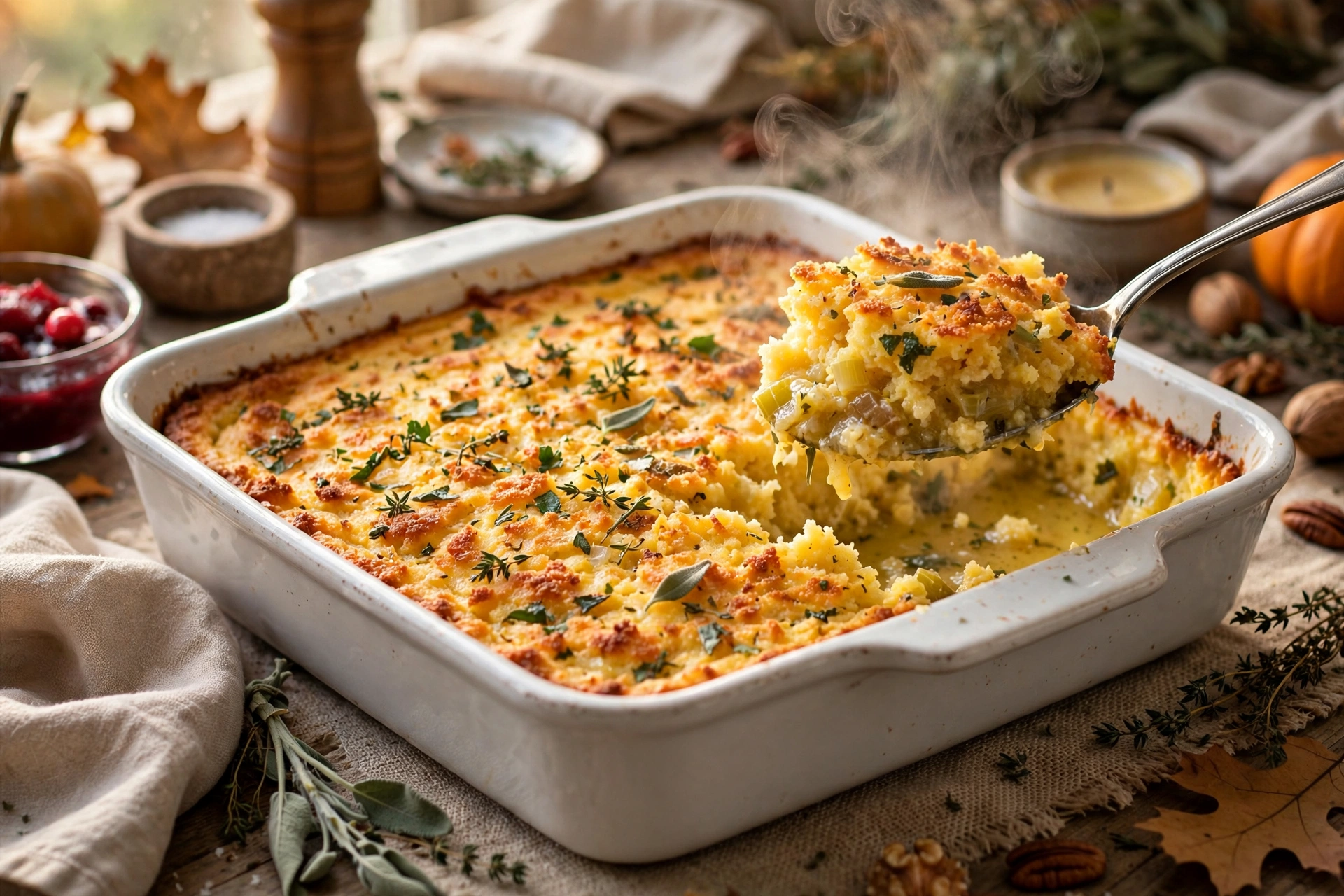
If you are building the full make-ahead plate, this sauce sits happily in the fridge alongside our southern cornbread dressing, which assembles a day ahead too. Reheat neither: the dressing bakes fresh on the day, the sauce simply warms to room temperature on the counter. Two classics, almost zero day-of effort.
Conclusion
Homemade cranberry sauce is the easiest upgrade on the entire Thanksgiving table: one pan, twelve minutes, and a result that outshines the canned version in color, flavor, and texture. The short simmer protects the bright cranberry character, the pectin does the setting for free, and the butter and vanilla finish makes it taste like you knew a secret.
Make it this weekend, taste it on day two, and watch it disappear next to the turkey. Once your family has had the real thing, glossy, tart, and spooned from a bowl instead of sliced from a can, there is simply no going back. Happy Thanksgiving from our kitchen to yours.