

In this article:
- What Makes This Butternut Squash Mac and Cheese Special
- Flavor Notes and Texture Contrast
- Why It Fits Your Schedule
- Diet Conscious Twists
- Ingredients for This Butternut Squash Mac and Cheese
- Step by Step Instructions
- Secrets for Foolproof Success
- Variations to Try Next Time
- Keeping It Fresh: Storage Guide
- Conclusion
- FAQ
What Makes This Butternut Squash Mac and Cheese Special
Creamy Butternut Squash Mac and Cheese takes the comfort food we all grew up loving and gives it a harvest upgrade. The secret is roasted butternut squash blended straight into the cheese sauce, adding natural sweetness, velvety body, and a gorgeous golden color.
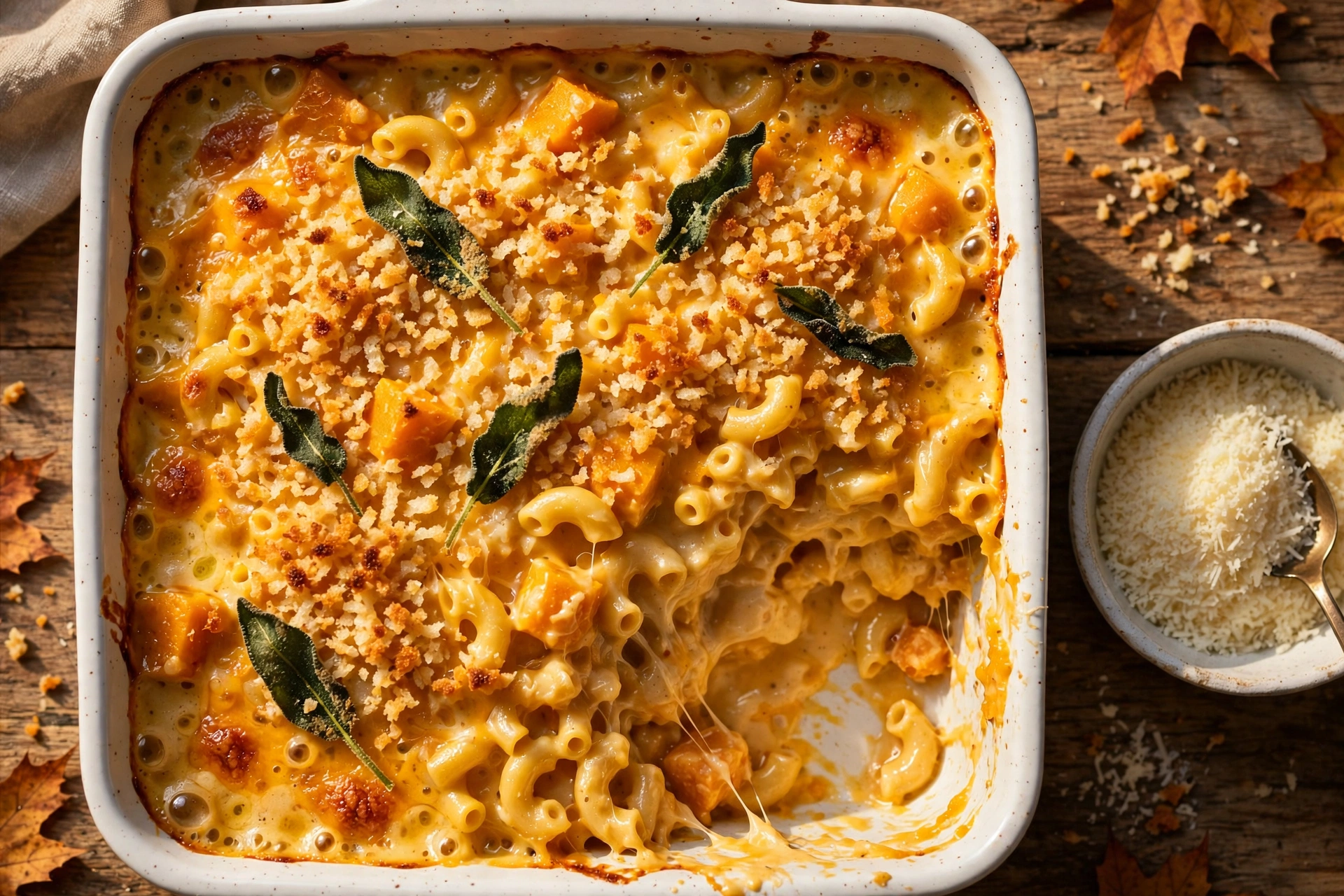
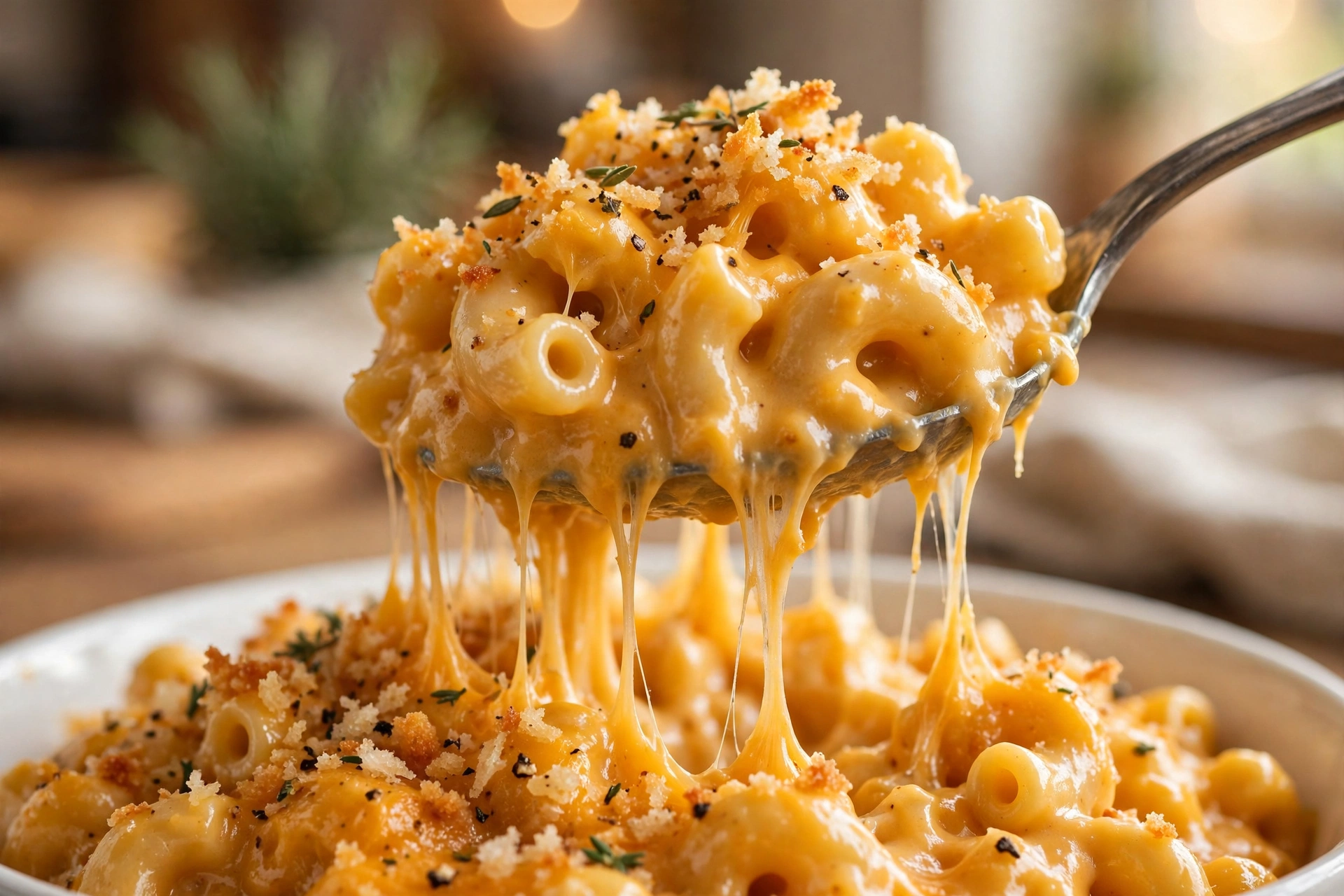
A trio of sharp cheddar, nutty gruyère, and salty parmesan builds the deep flavor and the dramatic cheese pull everyone expects. A buttery panko crust studded with crispy sage leaves adds crunch that contrasts the silky sauce in every bite.
Roasting the squash first concentrates its flavor and keeps the sauce thick instead of watery. The whole dish bakes in one casserole, feeding a crowd with almost no active work once the sauce comes together. It tastes like the best kind of autumn comfort: rich, golden, unapologetically cheesy, and gone long before the leftovers cool.
Creamy Butternut Squash Mac and Cheese is the dish I make when the first cool evening arrives and dinner needs to feel like a warm hug. Picture a bubbling casserole emerging from the oven, the panko top burnished gold and the cheese sauce simmering at the edges.
Every spoonful lands somewhere between a classic mac and cheese and the coziest butternut squash soup you have ever tasted. The squash melts so completely into the sauce that even skeptical kids just taste extra-creamy, extra-cheesy pasta.
It anchors a weeknight table as easily as it anchors a holiday spread next to roast chicken or a simple green salad. Leftovers reheat beautifully, which means one baking dish can carry you through two busy evenings without complaint. Make it once, and watch it quietly replace the boxed stuff in your pantry rotation for good.
Flavor Notes and Texture Contrast
The first forkful is all about the sauce: silk-smooth, deeply savory, with the gentle sweetness of caramelized squash underneath. Roasting brings out nutty, almost butterscotch notes in the squash that raw or boiled squash simply never develops.
Sharp cheddar cuts through the richness with tangy bite, while gruyère adds a mellow, nutty depth that lingers on the palate. Parmesan sharpens the finish, so the dish never reads as bland or one-note despite its creamy base.
A whisper of nutmeg and smoked paprika warms the background without announcing themselves as spices. Dijon mustard, just a spoonful, brightens the whole sauce and keeps the cheese from tasting heavy.
Then comes the topping: panko toasted in butter until shatteringly crisp, with sage leaves that turn glassy and fragrant in the oven. That crunch against the tender elbow macaroni is the contrast that makes the dish impossible to stop eating.
Temperature plays its part too, since the molten center and the crisped edges offer two different experiences in one dish. Serve it straight from the oven and the sauce flows like lava; let it rest and it sets into sliceable, custardy squares.
Visually, it glows: the squash tints the sauce a rich amber gold that looks as good as it tastes. If you love deeply cheesy baked pasta, our Ultimate Creamy Cheesy Chicken Pasta Bake delivers the same golden, bubbling comfort in a weeknight-friendly form.
Why It Fits Your Schedule
This butternut squash mac and cheese fits real life better than most baked pastas. The squash roasts while the pasta water comes to a boil, so two jobs happen at once with zero extra waiting.
Active work totals about twenty-five minutes: dicing one onion, whisking a simple roux, and stirring cheese into the sauce. The oven handles the rest, giving you forty-five minutes to set the table, toss a salad, or simply sit down.
It feeds eight generously from a single 9×13 dish, which makes it ideal for Sunday family dinners and casual gatherings. Prep the sauce a day ahead and refrigerate it; it reheats smoothly with a splash of milk before you assemble.
For busy weeknights, our Creamy Garlic Parmesan Chicken Pasta comes together even faster on the stovetop. But when you have one free evening and want the house to smell incredible, this is the recipe.
Diet Conscious Twists
You can lighten this dish without losing its soul. Swap whole milk for 2% and cut the butter in the sauce by a tablespoon; the roasted squash keeps everything creamy on its own.
Butternut squash is naturally rich in vitamin A and fiber, and you can look up its full nutrient profile on the USDA FoodData Central database. A gluten-free elbow pasta and a one-to-one gluten-free flour blend in the roux adapt the recipe easily.
For a vegetarian table it is already perfect as written, since the recipe uses vegetable broth and no meat at all. Reduce the cheese slightly and add an extra cup of squash purée for a lighter but still luscious version.
Ingredients for This Butternut Squash Mac and Cheese
For the squash and pasta:
- 1 medium butternut squash (about 2 1/2 pounds), peeled, seeded, and cut into 1-inch cubes
- 2 tablespoons olive oil
- 1 teaspoon kosher salt, plus more for the pasta water
- 1/2 teaspoon freshly ground black pepper
- 1 pound elbow macaroni
For the cheese sauce:
- 4 tablespoons unsalted butter
- 1 small yellow onion, finely diced
- 3 cloves garlic, minced
- 1/4 cup all-purpose flour
- 3 cups whole milk, warmed
- 1 cup low-sodium vegetable broth
- 1 tablespoon Dijon mustard
- 1/2 teaspoon smoked paprika
- 1/4 teaspoon ground nutmeg
- 2 cups shredded sharp cheddar cheese
- 1 1/2 cups shredded gruyère cheese
- 1/2 cup grated parmesan cheese, plus more for serving
For the crispy topping:
- 1 cup panko breadcrumbs
- 2 tablespoons unsalted butter, melted
- 8 fresh sage leaves
- 1/4 teaspoon kosher salt
Step by Step Instructions
- Roast the squash. Heat the oven to 425°F. Toss the cubed squash with the olive oil, kosher salt, and black pepper on a large rimmed baking sheet. Spread in a single layer and roast 25 to 30 minutes, until the edges caramelize and a fork slides in easily.
- Cook the pasta. While the squash roasts, bring a large pot of generously salted water to a rolling boil. Add the elbow macaroni and cook 2 minutes shy of the package directions so it stays firm. Drain well and set aside; it will finish cooking in the oven.
- Start the roux. In a large Dutch oven or heavy saucepan, melt the 4 tablespoons of butter over medium heat. Add the diced onion and cook 4 to 5 minutes, stirring often, until soft and translucent but not browned. Stir in the garlic and cook 30 seconds more.
- Build the sauce base. Sprinkle the flour over the onion mixture and whisk constantly for 2 minutes to cook out the raw flour taste. Slowly pour in the warmed milk, whisking steadily to avoid lumps, then add the vegetable broth.
- Thicken the sauce. Bring to a gentle simmer and cook 5 to 7 minutes, whisking often, until the sauce coats the back of a spoon. It should look like a classic béchamel: smooth, glossy, and just thick enough to leave a trail when you drag a finger across the spoon.
- Blend in the squash. Add the roasted squash to the sauce and purée with an immersion blender until completely smooth. No immersion blender? Transfer in batches to a regular blender, then return the sauce to the pot.
- Melt the cheeses. Remove the pot from the heat. Whisk in the Dijon mustard, smoked paprika, and nutmeg, then add the cheddar, gruyère, and parmesan a handful at a time. Stir until each addition melts before adding the next; the residual heat is plenty.
- Combine with pasta. Fold the drained macaroni into the sauce until every elbow is coated. Taste and adjust the salt; the cheese adds plenty, but the squash sometimes needs an extra pinch.
- Prepare the topping. In a small bowl, toss the panko with the melted butter and kosher salt. Scatter it evenly over the pasta in a buttered 9×13-inch baking dish, then arrange the sage leaves on top.
- Bake until bubbling. Lower the oven to 375°F and bake 20 to 25 minutes, until the topping is deep golden and the sauce bubbles thickly around the edges. If the top browns too fast, tent loosely with foil.
- Rest before serving. Let the casserole stand 10 minutes so the sauce settles into a creamy, scoopable consistency. This rest is the difference between a soupy dish and a perfect one.
- Serve warm. Spoon into bowls or cut into squares, and finish with an extra snowfall of parmesan. The crispy sage leaves are edible and delicious, so make sure everyone gets one.
Secrets for Foolproof Success
Shred your own cheese, always. Pre-shredded cheese is coated in starch that resists melting and can turn the sauce grainy; a box grater and five minutes give you a dramatically silkier result.
Warm the milk before it meets the roux, since cold milk shocks the flour mixture and invites lumps. A minute in the microwave or a small saucepan is all it takes, and the sauce will come together noticeably smoother.
Take the pot off the heat before adding the cheese. Boiling temperatures make cheese proteins seize and separate, which is the classic cause of oily or gritty mac and cheese. This gentle approach follows the same principle behind a proper béchamel, the French mother sauce this recipe is built on.
Undercook the pasta by two full minutes. It absorbs sauce and keeps cooking in the oven, so pasta that tastes perfect from the pot will turn mushy by serving time. Firm elbows hold their shape and their bite.
Blend the squash until it is truly silky, with no flecks remaining. Any chunky bits will read as lumps in the finished sauce, while a completely smooth purée disappears into pure creaminess.
Variations to Try Next Time
Swap the gruyère for smoked gouda to give the whole dish a gentle campfire depth that pairs beautifully with the sweet squash. A pinch of cayenne in the sauce adds warmth without real heat, waking up all the other flavors.
For extra protein, fold in two cups of shredded rotisserie chicken before baking; it turns the side-dish classic into a complete one-dish dinner. Stirring a few handfuls of baby spinach into the hot sauce wilts it instantly and adds welcome color.
Try different pasta shapes when the mood strikes: shells catch the sauce in their cups, while cavatappi twists hold onto the panko topping. Our Baked Tortellini Lasagna is another cozy baked-pasta option when you want that same bubbling, golden finish.
In spring, replace half the butternut with roasted carrots for a lighter, brighter version of this butternut squash mac and cheese. Come the holidays, a layer of caramelized onions under the topping makes it taste like French onion soup met mac and cheese.
Keeping It Fresh: Storage Guide
Refrigerate leftovers in an airtight container for up to four days; the flavors actually deepen overnight. Reheat individual portions in the microwave with a splash of milk, stirring halfway, to bring back the creamy texture.
For larger amounts, warm the casserole covered in a 350°F oven for about twenty minutes, then uncover for five to re-crisp the topping. The panko will never be quite as shattering as day one, but the flavor stays wonderful.
This dish freezes well for up to two months: cool completely, wrap the baking dish tightly in two layers of foil, and freeze. Thaw overnight in the refrigerator before reheating. Assemble it unbaked up to a day ahead, add the panko just before it goes into the oven, and dinner is nearly done.
Conclusion
Creamy Butternut Squash Mac and Cheese proves that a classic gets even better with one smart seasonal twist. Silky squash-enriched sauce, three cheeses, and that shattering sage-panko crust make every bite worth the small effort.
It has earned a permanent spot in my fall rotation, somewhere between weeknight staple and holiday showpiece. I hope it finds the same place at your table.
1 thought on “Creamy Butternut Squash Mac and Cheese”